Why Mandelic Acid Is Having a Moment
Most people who try to treat acne with acids run into the same problem: the ingredients that work fastest also tend to be the ones that leave skin red, flaking, and worse before it gets better. Mandelic acid is the exception dermatologists and formulators keep coming back to — an alpha hydroxy acid (AHA) that clears congestion and refines texture without the harsh reaction that stronger acids can trigger, especially on acne-prone or sensitive-leaning skin.
What Mandelic Acid Actually Is
Mandelic acid is an AHA derived from bitter almond extract. What sets it apart from other AHAs like glycolic acid is molecule size: mandelic acid has a larger molecular structure, so it penetrates the skin more slowly and gradually. That slower absorption is exactly why it causes less irritation — the acid isn’t flooding the skin all at once.
Why You’ll Like It
- Gentler exfoliation: larger molecule size means a more gradual, less irritating effect than glycolic or salicylic acid
- Targets congestion and blemishes: helps keep pores clearer and skin looking smoother
- Refines texture and tone: supports a more even, clearer-looking complexion with consistent use
- Natural antibacterial properties: mandelic acid has some inherent antimicrobial activity, which is part of why it’s favored for acne-prone skin
- Suits sensitive-leaning skin: often tolerated by people who react to stronger acids
Mandelic Acid vs. Other Acne Acids
| Ingredient | Best For | Irritation Potential |
|---|---|---|
| Mandelic acid | Sensitive or acne-prone skin new to acids | Low |
| Salicylic acid (BHA) | Oily skin, blackheads, deep pore congestion | Low-Medium |
| Glycolic acid | Dullness, fine lines, faster cell turnover | Medium-High |
None of these is strictly “better” — they suit different skin types and goals. For skin that’s reacted badly to stronger exfoliating acids in the past, mandelic acid is usually the safer place to start.
How to Introduce Mandelic Acid Into a Routine
- Cleanse the face and pat dry
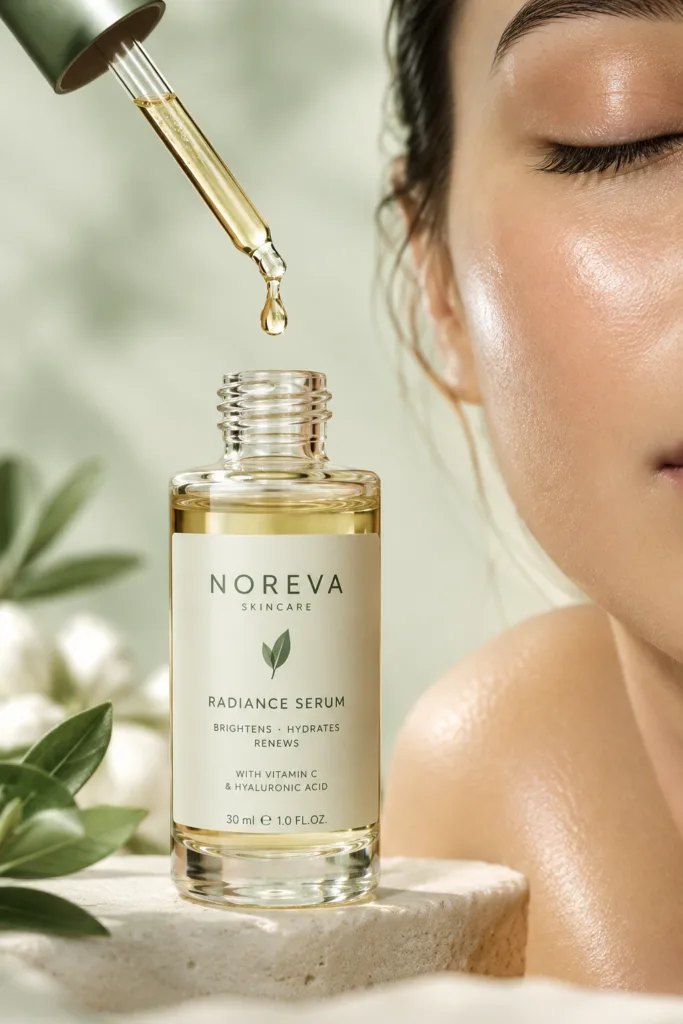
- Apply a few drops of a mandelic acid serum, avoiding the eye area
- Follow with a lightweight moisturiser
- Start every second night to let skin adjust, then increase frequency as tolerated
- Use a broad-spectrum sunscreen every morning — AHAs increase sun sensitivity
Common Mistakes
- Using it every night from day one: even gentle acids need an adjustment period
- Stacking it with other strong actives: layering mandelic acid with retinol or other exfoliating acids on the same night raises irritation risk unnecessarily
- Skipping SPF: this undoes the benefit and can worsen the dark spots mandelic acid is meant to help fade
- Expecting overnight results: congestion and texture changes are usually visible after several weeks of consistent use, not days
FAQs
Is mandelic acid safe for sensitive skin?
It’s one of the better-tolerated AHAs for sensitive and acne-prone skin because of its larger molecule size, but everyone’s skin is different — a patch test before regular use is still a good idea.
Can I use mandelic acid with other acne treatments?
It can be layered into a routine, but avoid combining it with other strong exfoliating acids or retinol on the same night to reduce the chance of irritation.
How long until mandelic acid shows results?
Most people notice smoother texture and fewer new blemishes within a few weeks of consistent, correctly-paced use.
Who should avoid mandelic acid?
Those with very sensitive or actively irritated skin, or who are pregnant or breastfeeding, should check with a dermatologist before starting any new acid.
Where Mandelic Acid Fits In Your Routine
Mandelic acid gives acne-prone and sensitive skin a way to access the benefits of exfoliation — clearer pores, smoother texture, a more even tone — without the harsh trade-off of stronger acids. Explore Nøréva’s Nova-AC Anti-Acne Serum with Mandelic Acid, or see our full skincare routines guide.